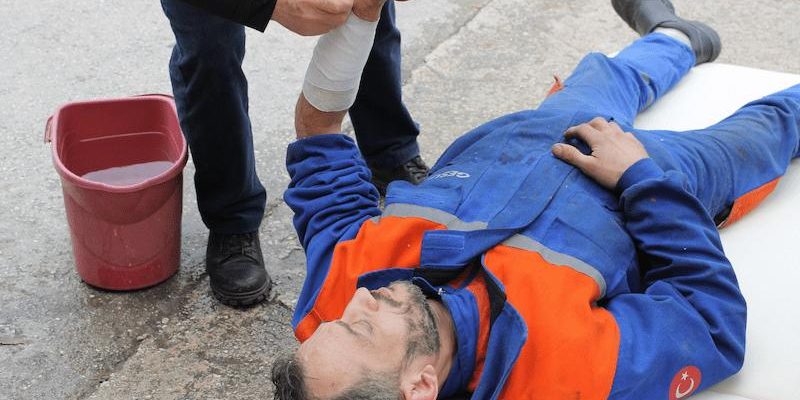
A fall may be over in seconds, but its effects can linger. Learn which symptoms deserve attention and how appropriate care can support safer, more confident movement.
A slip on a wet floor or a trip over an uneven sidewalk can happen to anyone. The immediate result might be a bruise or a sore knee, but some slip-and-fall injuries can also affect a person’s ability to walk, bend, climb stairs, work, or complete everyday tasks.
The impact depends on factors such as how the person landed, which part of the body was injured, their overall health, and whether they received timely care. Not every fall leads to a lasting problem. Still, understanding possible complications can help someone make informed decisions after an accident.
What injuries can happen after a slip and fall?
Falls can involve several parts of the body at once. Some injuries are apparent immediately; others become more noticeable as pain, swelling, or stiffness develops. Common concerns include:
- Sprains and strains: A sudden twist or impact may injure ligaments, muscles, or tendons around the ankle, knee, shoulder, or back.
- Fractures: Falls can cause broken wrists, arms, ankles, or hips, particularly in people with weaker bones or a higher risk of osteoporosis.
- Neck and back discomfort: Impact or twisting may trigger soreness, muscle spasm, or painful changes in how someone moves.
- Head injuries: A blow to the head may cause a concussion or a more serious injury, even when there is no obvious wound.
- Joint pain and stiffness: An injured knee, hip, or shoulder can make ordinary activities uncomfortable and limit range of motion.
A person cannot reliably identify the full extent of an injury from the size of a bruise alone. The severity of symptoms and the circumstances of the fall should guide the decision to obtain medical assessment.
Why can a fall affect mobility long after the bruises fade?
Mobility is more than the ability to stand up. It includes strength, balance, joint movement, coordination, and the confidence to move through daily life. A painful injury can interrupt several of these abilities at once.
For example, someone with a sore knee may start avoiding stairs or putting less weight on that leg. If movement remains limited for an extended period, muscles may become weaker and normal activities may feel more difficult. Stiffness or reduced joint movement can add to the challenge, especially when an injury was severe or healing was complicated.
Fear also matters. After a frightening fall, some people become hesitant to walk outdoors or move without support. Among older adults, fear of falling can contribute to reduced activity, which may worsen weakness and increase future fall risk. The Centers for Disease Control and Prevention (CDC) identifies this cycle as an important concern in fall prevention.
These outcomes are not inevitable. Assessment, appropriate treatment, and a gradual return to safe activity can help people address the specific problems that are holding them back.
Know when to get medical attention
Seek emergency help after a fall if the person cannot get up, has severe pain, may have injured the head, neck, back, or hip, loses consciousness, has a seizure, or develops new weakness, numbness, confusion, or difficulty walking. Do not force someone with a possible serious injury to stand or move.
A head impact deserves particular caution, especially in older adults or people who take blood-thinning medication. Serious head injuries are not always obvious at first. Even when emergency care is not needed, persistent pain, worsening swelling, difficulty bearing weight, or reduced mobility warrants prompt medical evaluation.
Early assessment helps identify injuries that may require imaging, medical treatment, immobilization, or a referral before rehabilitation begins.
How individualized rehabilitation can support recovery
Once a healthcare professional determines that movement-based rehabilitation is appropriate, the plan should reflect the injury, the person’s health, and their day-to-day goals. Someone trying to return to a physically demanding job may need different guidance from an older adult who wants to walk confidently around the house.
Depending on the diagnosis and clinical recommendations, rehabilitation may address comfortable joint movement, muscle strength, balance, walking patterns, and tolerance for everyday activities. It may also include advice about pacing, assistive devices, and exercises that can be practiced safely at home.
For example, Corpus Pain & Health in Corpus Christi, Texas, describes pain management and rehabilitation services for musculoskeletal conditions, limited range of motion, back and neck pain, and fall prevention. Its published services include strengthening, balance activities, and individualized treatment approaches. Readers considering outpatient care can review these options after receiving any necessary medical evaluation.
The goal is not to rush through pain or assume the same exercises work for everyone. A suitable program should be adjusted as symptoms, ability, and medical needs change.
Practical ways to reduce the risk of another fall
Preventing a repeat accident is an important part of protecting mobility. The CDC and National Institutes of Health (NIH) recommend several steps that can be adapted to a person’s circumstances:
- Improve home safety: Remove loose rugs and clutter, improve lighting, and consider grab bars or stair railings where needed.
- Build strength and balance: Ask a healthcare professional about suitable exercises, such as a supervised strengthening program or tai chi.
- Review medications and vision: Some medications can affect alertness or balance; regular eye care may also help identify hazards.
- Choose safer footwear: Supportive shoes with appropriate traction can reduce slipping on certain surfaces.
- Ask about mobility aids: A cane, walker, or other device may improve stability when correctly selected and used.
Fall prevention is especially important for older adults and people who have experienced repeated falls. Even one fall is worth mentioning at a routine medical visit.
Recovery is about returning to the activities that matter
Progress after a slip-and-fall injury should be measured in meaningful ways: being able to turn comfortably, stand from a chair, walk through a grocery store, or return to work safely. Some people recover quickly, while others need more time or additional medical care. No single timeline applies to every injury.
If you notice persistent discomfort, changes in balance, or activities you have stopped doing since the accident, share those details with a qualified healthcare professional. A clear picture of your symptoms and goals can lead to a more useful evaluation and a better-informed recovery plan.
Medical information references
Centers for Disease Control and Prevention (CDC), “Facts About Older Adult Falls” — cdc.gov/falls/data-research/facts-stats/
CDC, “Preventing Falls and Hip Fractures” — cdc.gov/falls/prevention/
National Institutes of Health (NIH), “Falls and Fall Prevention in Older Adults” — health.nih.gov/health-topics-a-z/fall-prevention