Outdoor events are crowded places. There are banners waving, people carrying iced drinks, kids heading in six directions at once, and dozens of brands all trying to be noticed before someone walks past. In that environment, a plain shelter may keep the sun off your team, but it does not do much for your marketing.
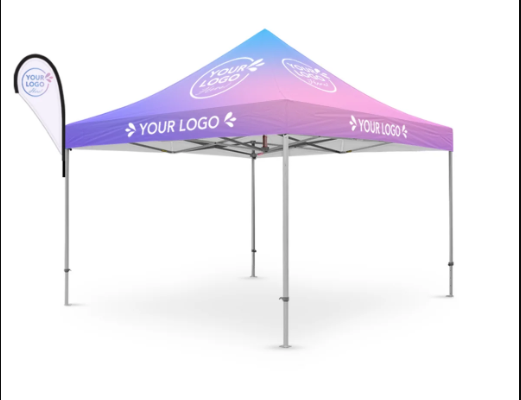
A 13×13 printed tent gives businesses a larger-than-standard footprint and a valuable collection of highly visible branding surfaces. It can function as a portable showroom, sampling station, merchandise booth, information center, or hospitality space while displaying your identity from multiple directions.
The real opportunity is not simply printing a logo on a roof and calling it a day. Smart outdoor branding combines graphics, layout, messaging, and customer flow into one coordinated experience. When those elements work together, your tent becomes much more than temporary shelter. It becomes a moving piece of brand architecture.
Why 13×13 Gives Your Brand Room to Breathe
A standard 10×10 booth can be extremely useful, but the additional space of a 13×13 canopy tent creates more possibilities for businesses that want customers to step inside rather than simply stop at the edge.
That extra footprint gives you room for product displays, demonstrations, consultation tables, storage, staff, and visitors without making the booth feel like everyone has accidentally boarded the same crowded elevator.
The larger roofline also improves visibility, giving logos, brand colors, and short messages more room to be seen from farther away at busy festivals, trade shows, races, and community events.
Use the Roof as Your First Introduction
People often see the top of an event shelter before they see anything underneath it. That makes the roof one of the most important branding surfaces on a 13×13 printed tent.
Keep roof graphics strong and simple. A recognizable logo, clear company name, and distinctive color palette can work far better than loading the fabric with every possible piece of marketing copy.
Your audience is walking, talking, eating, checking phones, and deciding where to go next. They are not approaching your canopy with a magnifying glass.
Think of the roof as an introduction rather than a brochure. Its job is to answer one basic question quickly: “Whose booth is that?” Once visitors get closer, other surfaces can carry more detailed information.
Let the Valances Do the Talking
The valance sits naturally at eye level and can be one of the most effective areas for short messaging. Use it for a tagline, website, product category, or concise value statement. If the company name does not immediately explain what you do, this is a useful place to add context.
The message should be short enough to understand while someone is walking by. If a visitor needs to stop and read three sentences, the valance is doing too much work.
A Coffee Brand Turns Sampling Into Recognition
Imagine a regional coffee roaster attending outdoor food festivals and weekend markets. Previously, the company used a plain canopy with a banner attached to the front. The coffee was excellent, but from twenty yards away the booth looked almost identical to every other vendor.
The company invests in a 13×13 printed tent using its signature colors, large roof logos, and a clear valance message. Inside, one section is dedicated to samples, another displays retail bags, and a printed back wall shows the roasting process and brand story.
The larger space gives staff room to serve customers without creating a bottleneck. More importantly, regular visitors begin recognizing the branded tent before they can even read the company name. The canopy becomes a visual landmark rather than just another shelter.
Create One Side for Attraction and One for Conversation
A strong booth often needs to perform two jobs at once. It must attract attention from the aisle and provide a comfortable space for deeper interaction.
A 13×13 footprint makes it easier to separate those functions. The front half can remain open and energetic, with samples, demonstrations, featured products, or promotional displays. The rear portion can support quieter conversations, consultations, or transactions.
That separation gives customers a natural path through the booth instead of making every activity compete for the same few feet of space.
Turn Sidewalls Into Visual Storyboards
Sidewalls are often treated as practical accessories, but printed walls can become powerful marketing tools.
A full wall can display lifestyle photography, product benefits, before-and-after images, service categories, or brand storytelling. It can also create a clean background that makes the booth look more finished and professional.
The important word is concise. A wall should tell a visual story, not reproduce a company brochure at poster size. When graphics are designed specifically for the 13×13 printed tent, the roof, valances, and walls can work together as one cohesive environment.
A Skincare Company Builds a Mini Consultation Studio
Consider a skincare company attending wellness expos and beauty festivals. The brand sells premium products, and customers often have questions about ingredients, routines, and skin types before buying.
With a printed 13×13 setup, the company creates a front display featuring hero products and testers. A branded sidewall explains the product philosophy, while the rear section contains stools and a small consultation counter.
Visitors can browse first and then speak with a representative without blocking everyone else. Clean graphics and an organized layout also help the space feel aligned with the brand’s premium positioning.
That matters when a business sells higher-value products. The surroundings should support the impression that care, quality, and attention to detail matter.
Build a Photo Moment Into the Design
Outdoor events are increasingly social events in two senses: people attend with friends, and they document what they see online.
A printed back wall can double as a photo backdrop. A recognizable graphic, slogan, or visual feature can encourage visitors to take pictures and extend the booth’s visibility beyond the event.
This can be particularly valuable for consumer brands, food companies, sports sponsors, lifestyle businesses, and event partners. A well-designed display can continue generating exposure after the tent has been packed away for the day.
Know When Another Size Makes More Sense
A 13×13 footprint offers a useful balance between compact portability and additional working room, but it is not automatically right for every event.
For a narrower rectangular site, a 10×15 custom canopy tent may provide a better fit. Its longer footprint can work well for linear product displays, serving counters, or spaces where visitors move along one side of the booth.
Choosing the correct size should start with how the booth will actually be used, not simply which tent has the largest dimensions.
A canopy 10×15 may be ideal for one event layout, while a square 13×13 option may provide better working space for another. Matching the footprint to the purpose helps prevent paying for space you cannot use effectively.
A Home Improvement Company Makes Its Work Visible
Now picture a remodeling company attending a regional home and garden show. The company cannot bring a newly renovated kitchen or bathroom into the event, so its display has to help customers visualize the quality of its work.
A 13×13 printed tent gives the company enough surface area to turn the booth itself into a portfolio. Large printed walls display completed projects. The roof carries the company logo and colors, while the front remains open and welcoming. A small consultation table sits toward the back, giving homeowners a place to discuss ideas and book an estimate.
Prospective customers can see the company’s capabilities before speaking with a salesperson, helping make an intangible service feel more concrete.
The tent is doing two jobs at once: attracting attention and building credibility before the sales conversation even begins.
Keep the Design Consistent, Not Overcrowded
More printable space does not mean every square inch needs to contain a message. Some of the best outdoor branding uses restraint.
Choose a limited color palette, keep logos consistent, use high-quality images, and make sure fonts are readable from the appropriate distance.
Your tent should look like a professional extension of your company, not a scrapbook of every marketing idea the team has had since 2017.
Consistency is also important across table covers, counters, flags, banners, product displays, and staff apparel. The goal is to create one brand environment rather than a collection of unrelated promotional pieces.
Why Premium Quality Is Worth Paying For
A professionally printed event tent can cost more than a lightweight, entry-level shelter. For businesses watching their budgets, that difference can be tempting to question.
The better comparison is not simply the purchase price. It is of long-term value.
Commercial event equipment is repeatedly transported, assembled, stored, and exposed to outdoor conditions. Frames, fabric, fittings, and graphics all need to withstand that routine.
A lower-cost structure that bends, fades, loosens, or needs frequent replacement can become more expensive over time.
A high-quality 13×13 printed tent should be treated as a business asset. Strong frame construction, durable canopy fabric, professional printing, reliable fittings, and replaceable components can extend useful service life and improve the experience of using the tent.
Quality also affects perception. A faded, sagging shelter sends a very different message from a crisp, well-built branded setup.
For businesses attending events regularly, cost per use often matters more than the initial invoice.
If a premium tent supports dozens of markets, festivals, trade shows, sponsorships, product launches, and community promotions, the higher upfront price can be easier to justify. Buying a cheaper unit several times may ultimately cost more than investing in a dependable one from the beginning.
Quality is especially important when your tent is customer-facing. It is not hidden equipment sitting in a warehouse. It is part of the environment customers associate with your company.
Design for Next Year, Not Just Next Saturday
Permanent canopy graphics should focus on parts of your brand that are unlikely to change quickly.
Use the main roof, valances, and walls for your logo, core colors, evergreen photography, and long-term messaging. Put seasonal promotions, prices, dates, or event-specific offers on replaceable banners and signs.
This keeps the tent useful across different campaigns. The same 13×13 printed tent might support a spring product launch, summer festival, fall community event, and winter outdoor promotion without looking outdated.
A well-designed canopy should work hard for the business over time, not become obsolete after one campaign ends.
This approach also helps protect the value of your investment. Instead of replacing an entire printed structure whenever a promotion changes, you can simply update the temporary signage around it.
Make Your Tent Part of the Brand Experience
The strongest event displays do not rely on one giant logo to do all the marketing. They create an environment that looks recognizable, feels organized, and makes interaction easy.
A 13×13 printed tent gives businesses enough room to combine visibility with functionality. The roof can attract attention, the valances can explain the offer, the sidewalls can tell the story, and the interior can support sampling, demonstrations, sales, or consultations.
For some event layouts, a 10×15 custom canopy tent or canopy 10×15 may be the more practical choice. The important thing is selecting a size and design that support how your business actually engages with customers.
Whatever footprint you choose, prioritize quality. Premium frames, durable fabrics, strong printing, and thoughtful customization may cost more initially, but they can deliver better reliability, stronger presentation, and greater long-term value.
If your business is ready to create a more memorable outdoor presence, explore high-quality printed tents, custom graphics, branded walls, counters, signage, and event accessories that can turn a simple shelter into a polished promotional space.
A well-designed canopy does not just cover your booth. It helps make your brand the one people notice, remember, and look for at the next event.