
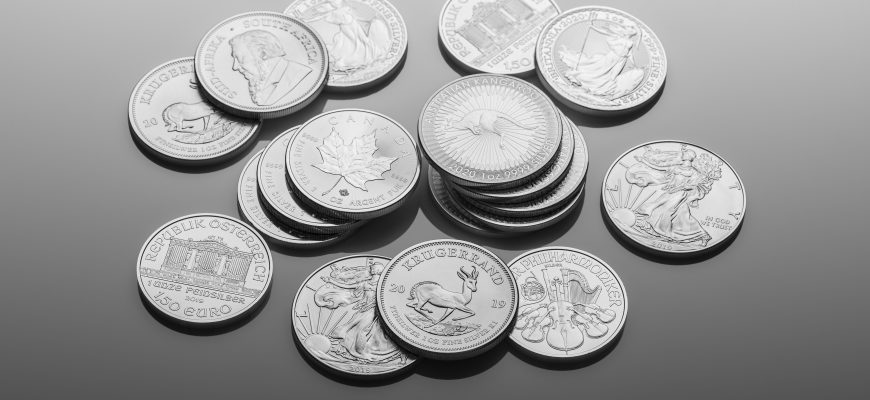
Silver coins have become a favourite gift and a simple way to start saving in physical metal. Anyone checking the Silver Rate Today in Delhi before visiting a showroom is already taking the right first step. Prices can differ from one seller to another, and a little homework saves real money. Families in the south often compare notes too, and a buyer scanning the Silver Rate in Hyderabad will find that coin premiums vary between banks, jewellers and online sellers. This guide explains what to check so that your first purchase is a good one.
Choosing the Right Purity
Most coins in India are sold in either high or low pure silver. The former is closer to being pure silver, and hence is preferred by those looking to invest. The latter is mixed with other metals to add to the durability and is more commonly found in decorative items and gifting.
Look at the purity mark on the coin and cross-reference it with the certificate that comes with the packaging. A good seller will be more than happy to show you both. If they seem evasive or uninterested, it’s best to move on. The purity has a direct bearing on the resale value.
Weight, Size and Design
Coins are available in multiple sizes to cater to different needs. The smaller ones are generally bought as gifts, while the bigger ones are more preferred for investment purposes. The smaller ones carry a higher premium per gram due to the fixed costs incurred during minting and packing. If you’re looking to make an investment, a mid- or large-size coin will offer you better value for money.
Design is a personal preference, but for gifting purposes, religious and decorative motifs are always a hit during festive seasons. Floral motifs are also commonly seen during weddings. For investment purposes, a plain design is preferable as it has better resale value than a themed one.
Where to Buy Safely
Trusted jewellers, bank branches and online portals are all viable options. All have their pros and cons, and it’s best to choose one based on individual preference. Reputable jewellers will allow you to inspect the coin, but may not be willing to buy it back. The opposite is true for banks, which have a poor turnaround time for such purchases. Online portals tend to offer better value, but may not carry the same level of assurance.
Irrespective of where you buy from, make sure that there is a well-documented invoice that carries the weight, purity and applicable GST. Always avoid cash transactions that don’t carry any documentation. A coin without papers is next to worthless, as there is no way of proving its authenticity.
Understanding Premiums and Buyback
The printed value on the tag of the coin is always higher than the metal price. This is due to added costs of minting and packing, plus applicable taxes and the profit margin of the seller. This amount is referred to as a premium and represents the amount by which the market price exceeds the actual value of the metal in the coin. Such a premium must be borne in mind when looking to sell the coin, as it’s highly unlikely that one will be able to recover this amount at the time of resale. In other words, always treat a silver coin as a mid-to-long term investment.
Ask the seller about their buyback policy before making a purchase. Some sellers will repurchase their own coins at a marked discount to the prevailing market price, while others don’t offer this facility at all. It’s best to research and understand the fine print before making a large purchase at a later date.
Storing Your Coins
Silver coins tarnish when exposed to moisture, but this only affects the outer layer. This means that while the appearance may change, the metal content remains the same. It’s best to store them in their original sealed cover and keep them in a dry place such as inside a locker or cupboard. Avoid touching the surface of the coin with your bare hands as much as possible. The oil on your skin can cause faster tarnishing.
Larger collections should always be kept in a bank locker, and make sure that the contents of the locker are covered under a home insurance policy. Maintaining a digital record of invoices and photos is always a good idea in case something were to happen to the physical copies.
A Simple Plan to Begin
Set a budget, decide if it’s a gift or an investment, compare rates at three places and buy a small collection to start with. Once you get comfortable with the process, you can move on to larger collections. Silver coins reward the patient and the meticulous, so it’s always best to start small and move up as you gain confidence.


